Patient guide
Blood flow restriction (BFR) training
Light-load strength stimulus when joints or tendons need a gentler entry ramp
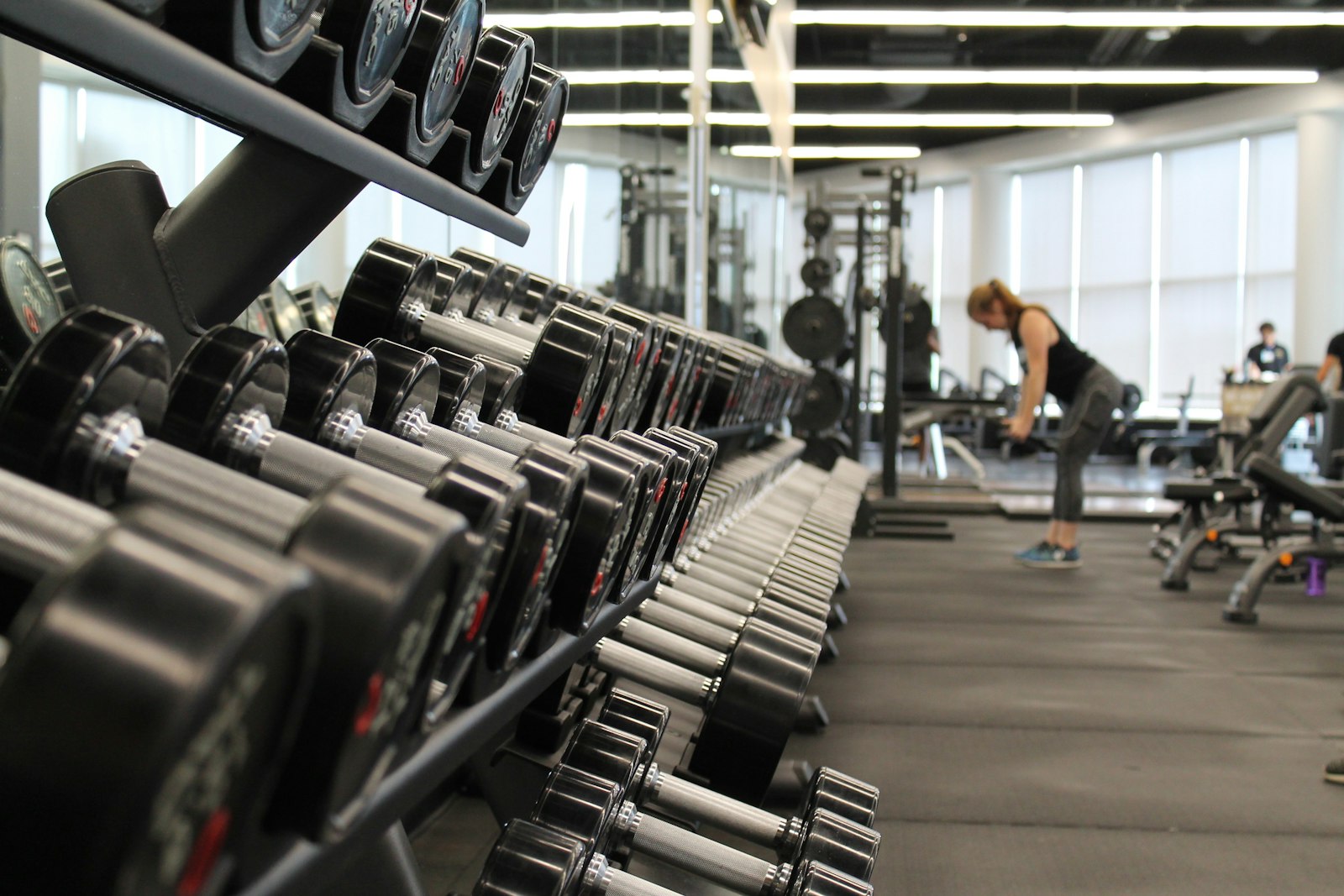
BFR uses a calibrated cuff to create a partial restriction of blood flow during low-load exercise. The result can mimic some of the metabolic stress of heavier lifting—useful when joints are irritable, post-op precautions limit load, or you need a deload week without losing stimulus.
It is a tool, not a personality—and it only belongs when screening says it is appropriate for you.
Who it helps most
- Early rehab phases when heavy loading is not yet wise but muscle cannot afford to wait
- Tendinopathy flare management where we need stimulus without provocative peak loads
- Athletes in-season who must manage total joint stress while maintaining strength
- Anyone medically cleared for BFR who wants clinician-guided dosing—not gym experimentation
How we approach this at Nexus
- Screening for vascular, clotting, and pressure risks before the first session.
- Strict pressure and time rules with continuous check-ins—comfort and safety first.
- Pairing BFR with graded open-chain and closed-chain work as tolerance allows.

What to expect with us
- Expect a tight—not painful—cuff sensation and a noticeable muscle burn at low loads.
- Short sets with rest; we track skin color, sensation, and exertion every round.
- Clear stop rules if anything feels off; we pivot protocols without ego.
Curious whether BFR belongs in your rehab arc? Book an assessment and we will screen candidly, then build a dose that matches your goals and medical history.
Ready for a plan built around you?
This guide is educational—not a substitute for an in-person evaluation. Book your 75-minute assessment and we will match the right tools to your goals, timeline, and medical history.
Stock imagery is illustrative only and does not depict a specific patient or outcome. Your clinician will personalize every recommendation after assessment.